Source One Touch Power Cable for Industrial, Communications, and Charging
Compare 30 verified listings for one touch power cable designed for industrial control, communications wiring, and device charging. Buyers can evaluate specifications like cable length, plug type, and certifications to find the right supplier for their needs; compare the available evidence and request quotations based on your requirements.
Key considerations
Products List








Comprehensive Sourcing Guide
One Touch Power Cable Sourcing Guide
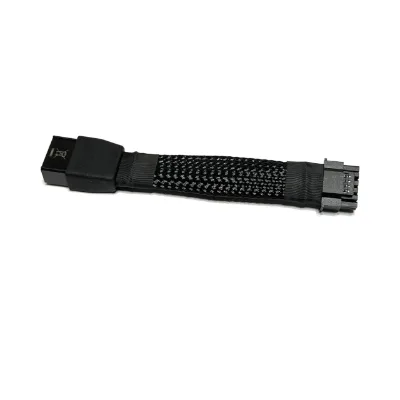
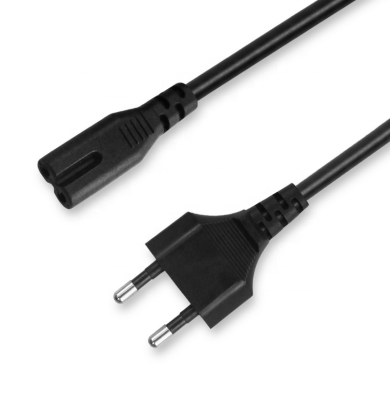
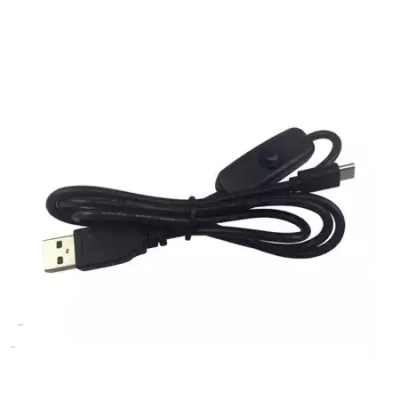
Sourcing one touch power cables requires a clear understanding of the diverse product landscape available from manufacturers, particularly those originating from China. The market offers a wide array of configurations, ranging from simple USB data transmission cables to more complex industrial wiring harnesses. Buyers must distinguish between consumer-grade accessories, such as retractable or non-retractable USB cables with specific plug types like US plugs, and heavy-duty industrial components like single-phase stator motors or low-voltage wiring harnesses. This distinction is critical because the technical requirements, safety standards, and commercial terms vary significantly between these categories.
The observed product range includes items with varying degrees of customization, from non-customized standard units to fully tailored solutions. Some listings highlight specific materials like copper conductors with PVC sheaths and PTFE insulating materials, while others focus on industrial applications involving cast iron casings or corrugated pipe bandaging. Understanding these material and functional differences allows procurement teams to align their purchasing decisions with the specific operational needs of their projects, ensuring that the selected components meet both performance expectations and regulatory compliance requirements.
Product Scope and Observed Listing Signals
The current market signals indicate a broad spectrum of products labeled under related power and connectivity categories, with observed prices ranging from zero to eleven hundred USD. This wide variance suggests that buyers may encounter everything from low-cost consumer accessories to high-value industrial machinery components. Minimum order quantities (MOQs) also fluctuate significantly, ranging from single units to three thousand pieces, reflecting the different production scales and business models of suppliers. Procurement teams must carefully evaluate these signals to determine whether they are sourcing individual components for assembly or bulk inventory for distribution.
Specific product models such as HITEK-1022, HITEK-1024, TS-15, and LCD-DYX15 appear in listings, each with distinct attributes. For instance, some cables are described as having data transmission functions with USB interfaces, while others are industrial motors with auto-induction voltage-reduced starting modes. The presence of both universal and non-universal products, along with variations in color options and packaging types like PE bags or wooden pallets, highlights the need for precise specification matching. Buyers should verify that the listed attributes, such as cable length or IC chip inclusion, align exactly with their technical requirements to avoid mismatches in final product performance.
Technical Specifications to Verify
When evaluating one touch power cables and related components, verifying the conductor and insulating materials is paramount for ensuring durability and electrical safety. Trusted category knowledge and observed facts indicate that copper is a common conductor material, often paired with PVC sheaths and PTFE insulating materials. Buyers must confirm these material specifications, as they directly impact the cable’s conductivity, heat resistance, and overall lifespan. Additionally, checking for the presence or absence of IC chips in USB-related products is essential, as this affects data integrity and charging efficiency, particularly for devices requiring precise power management.
Other critical technical specifications include the interface type, plug configuration, and physical dimensions. Products may feature US plugs, USB interfaces, or specific industrial connectors, and buyers must ensure compatibility with their existing infrastructure. For industrial applications, verifying the number of poles, starting mode, and casing protection type, such as open-type casings for motors, is necessary. Furthermore, cable length constraints, such as those under four feet, and single weight metrics provide insight into the product’s physical characteristics. Procurement teams should request detailed technical datasheets to validate these specifications against their engineering requirements before placing orders.
Compliance and Safety Documentation
Compliance with international and regional safety standards is a non-negotiable aspect of sourcing power cables and electrical components. Observed listings frequently mention certifications such as ISO9001, CCC, CE, and RoHS, which indicate adherence to quality management and environmental standards. Buyers must verify that these certifications are current and applicable to the specific product category, as counterfeit or outdated certificates are a risk in global supply chains. Additionally, standards like VDE and specific material restrictions regarding PAHs provide further assurance of product safety and environmental responsibility, protecting buyers from regulatory liabilities in their target markets.
Beyond certifications, understanding the product standards and origin is crucial for risk mitigation. Many products are manufactured in China, and buyers should ensure that the production facilities adhere to recognized quality control protocols. The presence of standards like OD: 3.5 or cast iron specifications for industrial parts indicates a level of engineering rigor that should be validated through third-party testing reports. Procurement teams should request copies of valid certification documents and test reports from accredited laboratories to confirm that the products meet the safety and performance requirements of their end-use markets, thereby ensuring long-term reliability and compliance.
Cost Drivers and Commercial Terms
Several factors influence the total cost of ownership for one touch power cables and related electrical components, including material costs, customization levels, and packaging requirements. Products with custom features, such as specific colors or tailored dimensions, typically incur higher costs due to the additional manufacturing steps involved. The choice of packaging, ranging from simple PE bags to complex carton and wooden pallet configurations, also impacts logistics costs and handling efficiency. Buyers should analyze these variables to determine the most cost-effective solution that balances price with operational convenience and product protection during transit.
Commercial terms, including minimum order quantities and delivery times, play a significant role in budgeting and inventory management. Observed MOQs vary widely, allowing for flexibility in order sizing, while delivery times of seven to fifteen days suggest a relatively quick turnaround for many suppliers. However, buyers must consider the implications of bulk purchases, such as the quantity of 600 pieces per carton, on storage capacity and cash flow. Negotiating favorable payment terms and clarifying responsibilities for shipping and insurance can further optimize the procurement process, ensuring that the total cost remains within budget while maintaining supply chain stability.
Supplier Qualification and Quality Control
Selecting a reliable supplier for one touch power cables requires a thorough evaluation of their manufacturing capabilities and quality control systems. Buyers should prioritize suppliers who hold recognized certifications like ISO9001 and CCC, as these indicate a commitment to standardized production processes and product safety. It is also essential to verify the supplier’s ability to handle customization requests, as many listings offer tailored solutions for specific industry needs. Engaging with suppliers who demonstrate transparency in their production processes and provide detailed product specifications helps build trust and reduces the risk of receiving substandard goods.
Quality control measures should be integrated into the procurement process to ensure consistent product quality. Buyers should request samples for initial testing and consider implementing third-party inspections during production or before shipment. For industrial components, verifying attributes such as noise levels, warranty periods, and specific application suitability, such as communications wiring harnesses, is crucial. Establishing clear quality expectations and communication channels with suppliers enables prompt resolution of any issues that may arise, ensuring that the delivered products meet the required standards and perform reliably in their intended applications.
Long-Term Procurement Checks
Establishing long-term procurement relationships with suppliers of one touch power cables involves continuous monitoring of product performance and supplier reliability. Buyers should track key performance indicators such as delivery consistency, defect rates, and responsiveness to quality issues. Regular audits of supplier facilities and review of their certification status help ensure ongoing compliance with safety and quality standards. By maintaining open communication and providing feedback on product performance, buyers can foster a collaborative relationship that encourages continuous improvement and innovation from their suppliers.
Additionally, staying informed about changes in industry standards and regulatory requirements is essential for long-term success. As technology evolves, new materials and designs may emerge that offer improved performance or cost efficiency. Buyers should periodically reassess their sourcing strategies to incorporate these advancements, ensuring that their products remain competitive and compliant. By proactively managing supplier relationships and adapting to market changes, procurement teams can secure a stable supply of high-quality one touch power cables and related components, supporting their organization’s operational goals and customer satisfaction.
FAQs
What certifications are available for one touch power cables?
One touch power cables typically feature ISO9001, CCC, CE, and RoHS certifications. These standards ensure compliance with international safety and environmental regulations. Buyers should verify specific documentation with suppliers to confirm that the products meet the required regulatory frameworks for their target markets and industrial applications.
Can one touch power cables be customized for specific needs?
Yes, customization is available for one touch power cables. Manufacturers offer options for customized designs and specific color choices including black, blue, red, and gold. Buyers can request tailored solutions to match their branding or functional requirements, ensuring the final product aligns precisely with their operational needs and aesthetic preferences.
What is the typical lead time for one touch power cable orders?
The typical delivery time for one touch power cable orders ranges from 7 to 15 days. This timeframe allows for production and quality checks. Buyers should confirm exact schedules with suppliers, as lead times may vary based on order volume, customization complexity, and current production capacity at the manufacturing facility.
Which materials are used in one touch power cable construction?
One touch power cables commonly use copper conductors with PVC sheaths and PTFE insulating materials. These materials provide reliable electrical performance and durability. The combination ensures efficient power transmission while maintaining safety standards. Buyers should verify material specifications to ensure compatibility with their specific application environments and regulatory requirements.
What is the minimum order quantity for one touch power cables?
The minimum order quantity for one touch power cables ranges from 1 to 3000 units depending on the supplier. This flexibility accommodates both small trial orders and large bulk purchases. Buyers should inquire about specific MOQs to determine the most cost-effective purchasing strategy for their inventory needs and budget constraints.
How are one touch power cables packaged for shipment?
One touch power cables are packaged in PE bags, blister packs, and cartons. Some industrial variants use cartons with wooden pallets for stability. This packaging protects the cables during transit and storage. Buyers should specify packaging preferences to ensure safe delivery and efficient handling at their receiving facilities or distribution centers.